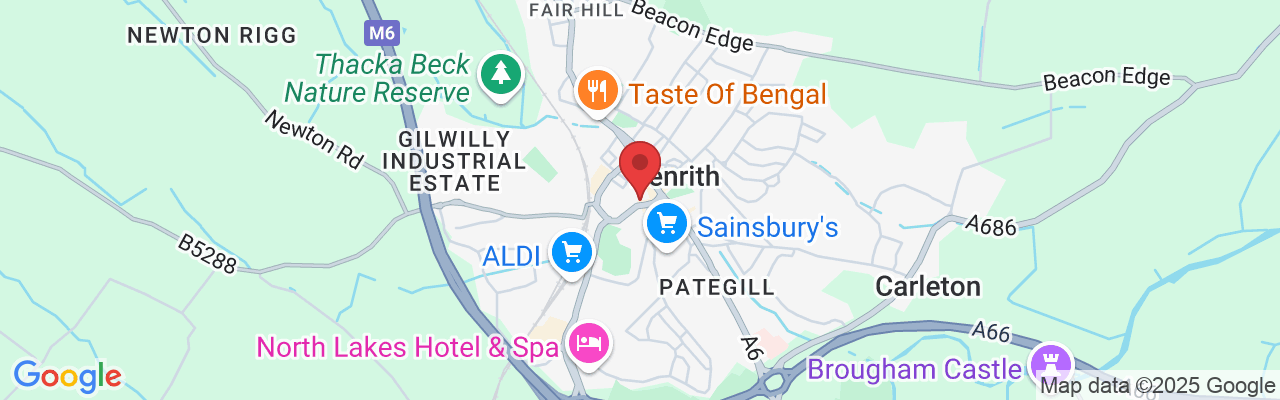
5 Poets Walk, Penrith CA11 7HJ
01768 899 036
MONDAY TO THURSDAY: 9:00am - 6:30pm.
Still Living with Back Pain in Cumbria? Start Healing Naturally Today.
If you're over 40 and your back pain hasn’t gone away in 6 months or more, you’re not alone — and it’s not your fault. You can feel better, naturally, with gentle care that supports your spine, your nervous system, and your life.
Over 20 Years Helping Cumbria Move Freely Again
Gentle, Natural Care — No Cracking or Pushing
Proven Help for Back Pain That Won’t Go Away
Download Your Free Copy of Healing Your Back Naturally
Back Pain That Lasts Is a Signal — Not a Life Sentence.
Chronic back pain is incredibly common in people over 40 — especially here in Cumbria, where life can be active, physical, and demanding. Most people have been told to stretch more, take painkillers, or “learn to live with it.” But that’s not real help.
Your body is trying to heal — it just needs the right support. My name’s Peter Bennett, and I’ve helped thousands of people across Cumbria reduce or completely recover from persistent back pain using natural, gentle chiropractic care.
🎁 Get My Amazon-Published Book Healing Your Back Naturally — Free Today
Healing Your Back Naturally
Everything I’ve learned in over 20 years helping people like you… is now yours, free.
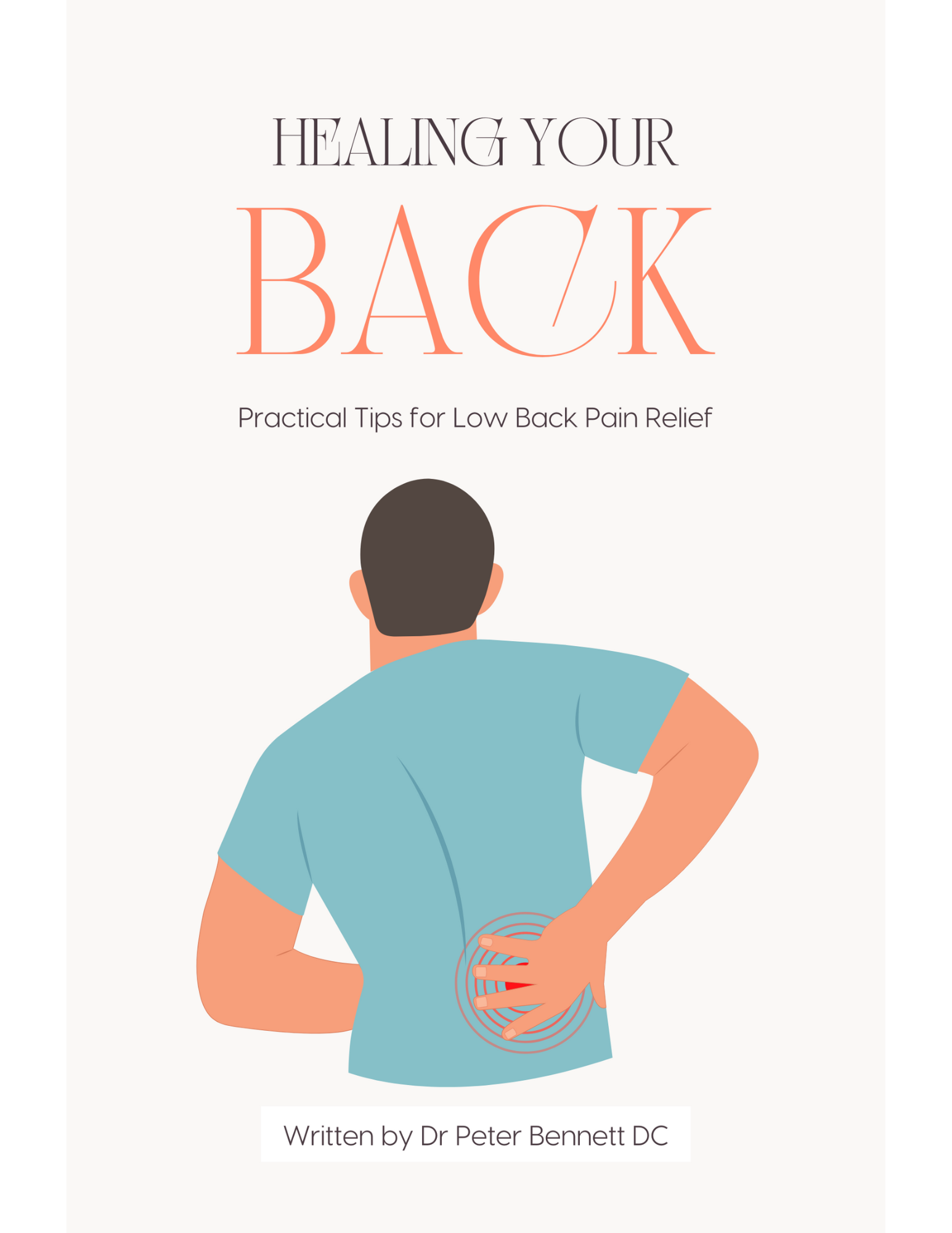
Inside this easy-to-read, practical guide, you’ll discover:
Why chronic back pain happens — and why it sticks around
How your spine and nervous system work together to heal
What most people get wrong (and how to break the cycle)
What you can do at home, starting today
But
WHAT IF
“I’ve tried everything.”
✔ You’ve treated symptoms. I help you correct the cause.
“I’m too old.”
✔ Age makes healing slower — not impossible. I help people in their 60s, 70s, even 80s move freely again.
“I don’t want to be cracked.”
✔ No cracking here. My approach is calm, gentle, and effective — even if you’re nervous or sensitive.
Why Gentle Chiropractic Works — Even After Months (or Years) of Pain
Your spine protects your nervous system — and your nervous system controls everything. When spinal movement is restricted or misaligned, it affects how your body heals, how it moves, and how it feels.
By restoring clear communication between your brain and body, gentle chiropractic helps:
Free up stiff joints and trapped nerves
Improve posture and movement
Calm the pain signals that won’t turn off
Support lasting healing — not just quick fixes
Your First Step Could Be the Easiest One Yet.
Download your free copy of Healing Your Back Naturally — and discover what’s really keeping you in pain.
STILL NOT SURE?
Frequently Asked Questions
Why does my back still hurt after all this time?
Because the root cause hasn’t been addressed. The nervous system can stay “stuck” in pain mode — and needs support to reset.
Is it safe for people in their 50s, 60s or 70s?
Absolutely. My approach is gentle, and designed with your age, health and comfort in mind. I've safely looked after clients in their 90s
Do you treat people from my town?
I see clients from Carlisle, Penrith, Kendal, Keswick and the whole of Cumbria.
How do I book?
Use the button below to see available appointments online.
Natural Back Pain Relief, Right Here in Cumbria
Whether you’re in town or out in the hills, you shouldn’t have to travel far — or wait months — for real help. I’m proud to serve the people of Cumbria with care that’s local, natural, and trusted.
Carlisle, Penrith, Kendal, Keswick, Eden Valley, Westmorland, South Lakes
Take the First Step — It Could Change Everything
If I can't help you I'll tell you straight away - no messing about

👋 ABOUT PETER BENNETT

Peter Bennett
Hi, I’m Peter Bennett — Chiropractor in Cumbria for Over 20 Years
I specialise in helping people get back to living their lives — without back pain ruling their days. I believe in working with the body, not against it. That means no heavy manipulation, no “cracks,” and no one-size-fits-all treatments.
Just calm, natural help from someone who listens and supports your recovery.
Learn More

Why Migraines Build Over Time (Not Suddenly)
Introduction
Most people experience migraines as sudden.
You’re fine… and then you’re not.
But what you feel in that moment is not where the migraine began.
It’s just where it became impossible for your body to keep coping.
Migraines don’t start in a moment.
They build quietly in the background.
And once you understand that, everything starts to make more sense.
The Sudden Symptom vs The Slow Build
Think about how a migraine usually appears.
It might seem to come out of nowhere:
you wake up with it
it arrives mid-afternoon
it follows a “normal” day
That’s the visible part.
But underneath, your body has been adapting for days, sometimes weeks.
Each day adds a little more pressure.
Your body keeps compensating.
Until it can’t.
The Glass Analogy (Why This Explains Everything)
Imagine your body as a glass.
Every stress adds water:
poor sleep
work pressure
neck tension
dehydration
posture strain
At first, the glass is nearly empty.
Your body copes easily.
Then slowly:
→ the level rises
→ your system works harder
→ recovery becomes less complete
Eventually, the glass is nearly full.
Then something small happens.
And it overflows.
That overflow is the migraine.
Why This Changes How You Think About Triggers
Most people try to identify the one thing that caused their migraine.
But if the glass was already full:
→ anything could have triggered it
That’s why:
sometimes coffee triggers it
sometimes it doesn’t
sometimes stress causes it
sometimes it doesn’t
The trigger isn’t the cause.
It’s just the final drop.
Where the Body Holds This Build-Up
This build-up doesn’t happen in one place.
It shows up across your system:
tight neck and shoulders
reduced movement in the spine
increased nervous system sensitivity
subtle changes in posture
Your body is constantly adjusting to cope.
But those adjustments come at a cost.
The Role of the Spine in This Process
Your spine is central to how your body manages load.
Because it:
protects your nervous system
coordinates movement
regulates tension
When your spine is under strain:
muscles tighten to protect it
movement becomes restricted
your nervous system becomes more reactive
This reduces your ability to cope with additional stress.
So the glass fills faster.
Why Recovery Starts to Slip
Early on, your body recovers easily.
One good night’s sleep and you feel fine.
But as load increases:
sleep becomes less restorative
tension doesn’t fully release
your system starts the next day already under pressure
This is where people often say:
“I just don’t feel like I’m fully recovering anymore.”
That’s a key warning sign.
The Point Where Symptoms Appear
Your body will tolerate a lot.
Much more than people realise.
But eventually:
→ compensation is no longer enough
→ sensitivity increases
→ symptoms appear
This is not failure.
It’s communication.
Your body is telling you:
“I can’t keep adapting at this level.”
Why This Is Actually Good News
Because it means:
→ your body is working exactly as it should
It has adapted for as long as it could.
Now it’s asking for change.
That’s a much more useful way to see it than:
“Something has gone wrong.”
Why Quick Fixes Don’t Last
If you only address the moment:
pain relief
rest
avoiding triggers
You may feel better temporarily.
But the glass is still full.
So the pattern repeats.
What Actually Changes the Pattern
To reduce migraines long term, you need to:
1. Lower the Level in the Glass
Reduce the total load:
less sustained tension
better movement
improved posture patterns
2. Improve Recovery Capacity
better sleep rhythm
more regular movement
time for your nervous system to settle
3. Support the Spine
This is key.
When your spine functions better:
tension reduces
movement improves
your nervous system becomes less reactive
So your body can cope again.
What People Notice First
Before migraines reduce, people often notice:
feeling less “on edge”
less tightness in the neck
better sleep
more energy
These are signs the level in the glass is dropping.
When This Explanation Fits
This pattern is especially relevant if:
your migraines seem unpredictable
you can’t find a single trigger
you feel like things have been building over time
your body feels more tense than it used to
Start Here
If you want to understand what your body has been building and how to reduce it:
👉 https://yourspinalhealth.com/
Related Articles
The Next Step
The next step is to look at how much load your body is carrying and how well your spine is coping with it.
I will assess your spine and discover if treatment could help:
👉 https://yourspinalhealth.neptune.practicehub.io/p/book-online?atid=448

© 2026 | Privacy Policy
5 Poets Walk, Penrith CA11 7HJ, Cumbria
01768 899 036
Carlisle, Penrith, Kendal, Keswick, Eden Valley, Westmorland, South Lakes
Gentle chiropractic care for chronic back pain in Cumbria


